Florida termite inspection pricing commonly falls between $75 and $250 for an inspection-only visit, while a standard Wood-Destroying Organisms (WDO) inspection often clusters around $75 to $150. Your final price depends on the property's size, access, urgency, and whether you need a formal report for a real-estate transaction.
That range is only useful if you know what you're buying. A low-cost visual check may help a homeowner decide whether to investigate further, but it may not satisfy a lender, title company, buyer, or contract deadline. In Miami, the costly mistake is often paying for the wrong inspection, not paying slightly too much for the right one.
Table of Contents
- Understanding Termite Inspection Costs in Florida
- Visual Inspections versus Regulated WDO Reports
- What Drives Your Inspection Price Up or Down
- How to Interpret Inspection Reports and Findings
- Getting Accurate No-Obligation Quotes from Local Pros
- Common Misconceptions about Termite Inspections
- Next Steps for Miami Homeowners
Understanding Termite Inspection Costs in Florida
In Florida, $75 to $250 is the planning range many homeowners will see for an inspection-only visit, and that number causes plenty of confusion. The price can be real, but the service behind it may be very different from one company to the next. Florida termite inspection pricing guidance separates inspection pricing from treatment costs, which is the right way to read any quote.
That distinction matters more than the headline number.
In Miami, I regularly see owners and buyers focus on the cheapest inspection fee, then get hit later with added charges, a second visit, or paperwork that does not work for the transaction. A low advertised price may cover a simple visual check of accessible areas. A higher quote may include more inspection time, more documented findings, and a report that serves a specific purpose. The expensive mistake is usually buying the wrong deliverable first and paying again to get the right one.
A formal transaction-related inspection often falls into a narrower band than broad online price ranges suggest, but costs can still rise when the property is larger, access is limited, detached structures need to be checked, or a reinspection is required. Homeowners should also keep inspection pricing separate from any treatment exposure. An inspection may confirm visible evidence, conditions that favor infestation, or the need for more action. It does not mean treatment is automatically included.
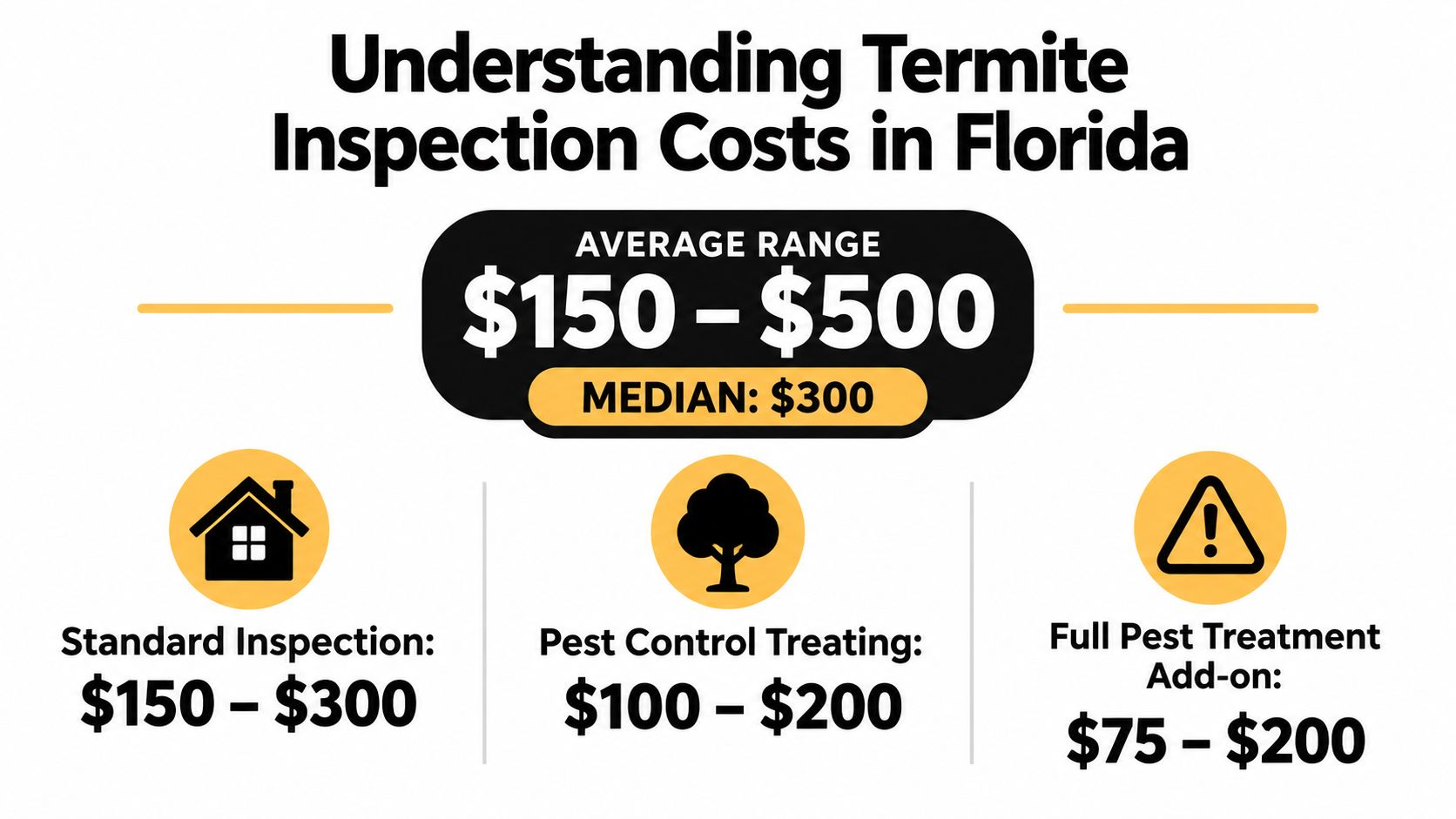
Why the headline price misleads
Compare quotes by deliverable, not by the first dollar figure you hear.
Ask these questions before you book:
- What do I receive in writing? Confirm whether the fee includes formal documentation or only verbal findings.
- Which areas are part of the inspection? Ask about attics, crawl spaces, garages, additions, balconies, and detached structures.
- What costs extra after the visit? Clarify whether photos, reinspections, treatment quotes, or repair recommendations are billed separately.
Practical rule: A cheap inspection that does not meet the actual requirement is just a cheaper way to pay twice.
For routine ownership, a basic inspection may be enough. For a sale, purchase, or refinance, start with the report requirement, then price the inspection that matches it.
Visual Inspections versus Regulated WDO Reports
A visual termite inspection and a regulated WDO inspection aren't interchangeable. The first may be a maintenance service designed to look for accessible signs of termite activity. The second is a transaction-related inspection governed by Florida requirements and covering wood-destroying organisms beyond termites.
Florida law requires a written WDO inspection report when a licensed inspection is performed for a real-estate transaction and either a fee is charged or the customer requests a written report. The inspection must follow established industry standards and cover all wood-destroying organisms, not termites alone, as described in the Florida statutory requirements for WDO inspections.
Match the inspection to the purpose
Use a basic visual inspection when you're checking a home you already own and don't need transaction documentation. You may want that service after seeing discarded wings, damaged trim, mud-like tubes, or conditions that make you concerned about concealed activity.
Request a WDO inspection when the property is involved in a purchase, sale, or other transaction where a lender, title company, buyer, or contract requires formal documentation. If you aren't sure whether the paperwork will be accepted, ask the party requiring it before the inspector arrives. More background on the transaction distinction is available in this guide to termite inspections for mortgages.
| Feature | Visual Inspection | WDO Inspection |
|---|---|---|
| Primary purpose | Maintenance or initial concern | Real-estate transaction documentation |
| Scope | Accessible signs of termite activity | Termites and other wood-destroying organisms |
| Written report | May be optional | Required in the circumstances described by Florida law |
| State-prescribed form | Not necessarily included | Applicable to the regulated report |
| Best question to ask | “Did you see signs?” | “Will this report satisfy the transaction requirement?” |
A WDO report may address evidence of active or previous infestation, visible damage, and organisms such as wood-boring beetles, decay fungi, and carpenter ants. That broader scope explains why a transaction-grade inspection can cost more than a quick termite check.
Don't let a salesperson use “termite inspection” as a catch-all label. Ask for the exact report name, included areas, exclusions, and whether inaccessible locations will be documented.
What Drives Your Inspection Price Up or Down
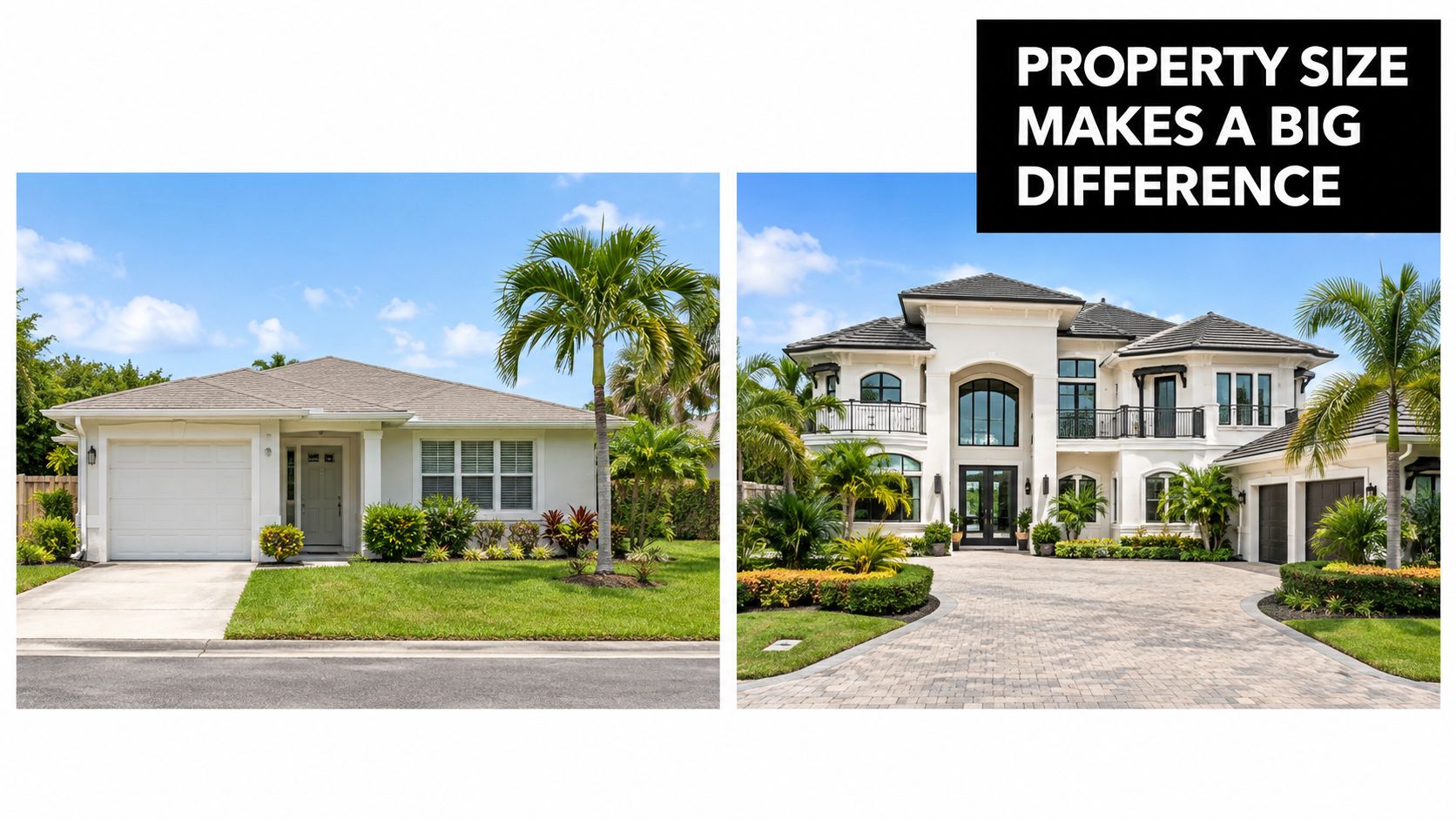
Inspection pricing responds to the work required, not just the square footage printed in a property listing. A compact Miami condo with limited accessible wood may require a different service from a detached home with an attic, crawl space, additions, and exterior structures.
Property size affects the time needed to examine rooms, exterior walls, accessible framing, and separate structures. Construction type matters too. Slab construction, raised homes, older additions, and properties with complicated hardscape can change how easily an inspector reaches likely problem areas.
Access is a major cost variable
Attics and crawl spaces create practical differences between quotes. A readily accessible attic is not the same as a cramped or obstructed space. If the inspector can't reach a location, the report should identify that limitation rather than implying the area received a full examination.
Urgency can also influence the quote. A routine appointment gives the provider more scheduling flexibility, while a closing deadline may require expedited paperwork or a return visit. Ask whether rush service and reinspection are included before you compare totals.
Miami's exposure makes scope important
South Florida's termite history is not limited to one neighborhood. The University of Florida reports that Formosan termites were first identified in Miami-Dade and Broward counties in 1980, later appearing in other Florida counties, and becoming well established along the southeast coast as far north as Martin and St. Lucie counties. The University of Florida's termite history helps explain why inspectors consider concealed activity and conducive conditions, not just visible insects.
That history doesn't mean every Miami property has termites. It does mean a homeowner should resist reducing the decision to “How cheap can I get someone to look around?” For a deeper discussion of downstream exposure, review termite treatment costs in Florida.
How to Interpret Inspection Reports and Findings
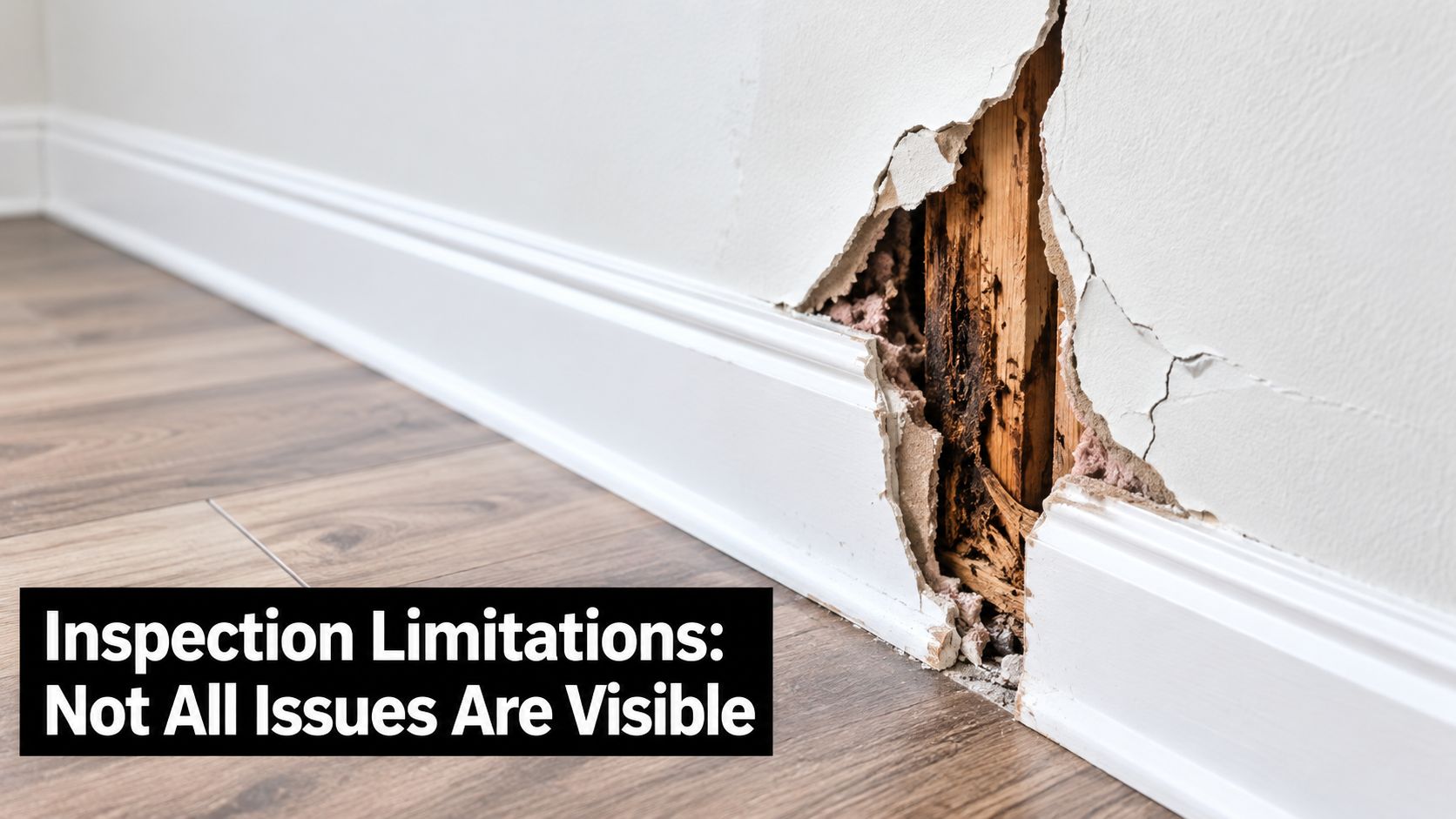
A termite report is only as useful as your reading of the fine print. I have seen buyers fixate on the word “clear,” then find out later that key areas were blocked by storage, finishes, low clearance, or sealed construction. Start with what was inspected. If the report limits the inspection to accessible areas, treat every inaccessible zone as unresolved, not cleared.
Then sort the findings into the right bucket. Active evidence points to current activity or a condition the inspector believes is present now. Previous evidence means there are signs of past infestation or past damage, but not necessarily an active problem at the time of inspection. Visible damage and moisture-related conditions matter too, but they do not mean the same thing, and they should not drive the same decision.
A short report can still be useful if it answers three practical questions:
- Accessible areas inspected: Which spaces were entered or viewed closely?
- Evidence classification: Does the report separate current signs, old signs, visible damage, and conducive conditions?
- Recommended next action: Does it call for monitoring, treatment, repair evaluation, or more invasive access?
That is the part many homeowners miss. The conclusion line matters less than the limits and the recommendation. If the inspector notes suspicious damage behind a finished wall or under flooring, the right next step may be opening the area or getting a contractor involved, not arguing over whether the report sounds alarming.
Florida also regulates how these records are handled. Reports must be retained under state law, which is one reason you should keep your copy with closing documents, repair invoices, and any later treatment records. If a damage dispute comes up, paperwork matters.
Before you hire anyone, it also helps to know what visible warning signs look like in the field. This guide on how to identify termite damage can help you compare what you see at home with what appears in the written findings.
Getting Accurate No-Obligation Quotes from Local Pros
Cheap inspection offers are where many Florida buyers lose money. The problem usually is not the first fee. It is the quote that bundles inspection, treatment, return visits, and repair handoffs so loosely that you cannot tell what you are purchasing.
A useful quote is itemized before anyone comes out. Ask each company to break out the inspection charge, any separate treatment estimate, reinspection fees, rush paperwork charges, probing or invasive access, and anything tied to damage repair or moisture correction. If those items stay blended together, the lowest price on the phone can become the highest bill once the findings affect a sale.
Quotes are only comparable when the follow-up terms are clear. A company that says "free inspection" may be offering a sales visit tied to treatment, while another is pricing formal documentation and a return trip if the lender, buyer, or seller asks for clarification. Those are different deliverables, and they carry different risk if a closing is already on the calendar.
Use a short quoting script and send it to every provider. Keep it focused on the costs that tend to surprise people later:
- Separate treatment estimate: Ask for treatment pricing on its own line so you can compare the inspection as a stand-alone service.
- Reinspection policy: Confirm whether a return visit is included, discounted, or billed separately if repairs are made or another party requests confirmation.
- Rush-fee policy: Ask what happens if paperwork is needed on a tight deadline.
- Repair boundaries: Clarify whether wood replacement, opening drywall, fixing leaks, or contractor coordination falls outside the pest company's scope.
Florida regulates pest control work under Chapter 482. That matters because quote language should line up with what the company is licensed to inspect, report, and treat.
Pestless connects Miami and Miami-Dade homeowners with licensed, insured pest-control professionals through a short form or phone call. It routes requests to vetted local providers with Florida licensing and active insurance, with typical responses within one business hour during Monday through Saturday service hours. This video provides additional context on arranging local pest-control help.
Common Misconceptions about Termite Inspections
Cheap inspection pricing causes a lot of bad assumptions. The biggest one is treating any “clean” result as proof the house is termite-free. In Florida, a regulated WDO report documents inspection findings and visible conditions. It does not convert a visual inspection into a warranty against hidden activity behind walls, under finishes, or in blocked areas. Florida also requires an inspection notice near an attic, crawl space, or another accessible area when a WDO inspection is performed, as outlined in the Florida inspection notice and report provisions.
I see this mistake all the time in Miami deals. A buyer pays less for a basic look-around, then assumes the paperwork will satisfy a lender, title company, or buyer on the other side. Later, they learn the low price bought the wrong deliverable.
A clean report can mean no visible qualifying evidence was found on that visit. It can still note inaccessible areas, prior damage, or conditions that deserve follow-up. Those details matter because they change the risk, the negotiation, and sometimes the true cost after the inspection.
A second inspection is worth the money in a few specific situations:
- Access was limited: Key framing, attic edges, crawl areas, or soil-contact points could not be inspected.
- What you see does not match the report: Pellets, tubes, swarmers, or suspicious wood damage were not addressed clearly.
- The deal depends on acceptance: A buyer, lender, or title company needs documentation, and the first company did not confirm its report meets that requirement.
- Treatment is being pushed without clear findings: The company recommends work but does not explain what was found and what remains unverified.
Home inspections and termite inspections also get confused. A standard home inspection serves a different purpose. A WDO report serves a specific regulated one. Routine owners may not need transaction-grade paperwork, but anyone tied to a closing should compare quotes by report type, not headline price.
Next Steps for Miami Homeowners
Start with your purpose. A buyer needs the report accepted by the relevant transaction parties. A seller may want early information before negotiations. A landlord or property manager may need practical evidence and a treatment plan rather than transaction paperwork. A condo owner should also ask whether the association controls any exterior or shared structural areas.
Then verify the provider. Confirm Florida licensing, active insurance, report type, inspection areas, and the person responsible for the written findings. Don't rely on an online price alone, especially if the appointment is tied to a closing deadline.
Use a decision path that fits the property
Buying or refinancing: Ask the lender or title company exactly which WDO documentation it accepts. Schedule early enough to resolve access problems, additional evaluation, or treatment negotiations.
Selling: Consider obtaining an itemized inspection before listing if uncertainty about wood damage could affect negotiations. A clear scope helps you avoid paying for a report that doesn't answer the buyer's actual requirement.
Managing rentals: Decide whether you need recurring monitoring, a one-time visual assessment, or treatment. Keep inspection reports, invoices, and repair records together so future managers can see what was found and addressed.
Handling a difficult sale: If termites or inaccessible areas complicate an inherited property, owners may also need guidance on the broader process of selling an inherited Miami property, alongside pest and repair decisions.
For Miami properties from Brickell and Coconut Grove to Doral, Hialeah, and Kendall, local context can help a provider recognize access issues and transaction expectations. Get more than one itemized quote, but don't make the lowest fee your deciding factor. The right comparison is inspection scope, report acceptance, follow-up responsibility, treatment exposure, and repair boundaries.
Pestless Inc. offers zero-cost, no-obligation introductions to licensed and insured Miami-area pest professionals for termite inspections and related services. Visit Pestless Inc. to submit a request, compare a local quote, and clarify whether you need a basic visual inspection or a formal WDO report before spending money on the wrong service.
Dealing with this pest right now?
Pestless connects you with a licensed, insured Miami pest control provider for a free, no-obligation quote.